Introduction
Acreage properties in Reno attract buyers who want privacy, space, and a lifestyle surrounded by nature. These homes offer freedom that traditional neighborhoods cannot match. They appeal to people who want room for animals, outdoor living, workshops, gardens, or simply peace.
But acreage living also comes with specific responsibilities and considerations. Understanding these details helps buyers make confident decisions and helps sellers present their property clearly.
Understanding the Water Source
Water is the most important factor in acreage ownership. Buyers must understand where the water comes from, how it is delivered and what ongoing maintenance may look like.
Municipal Water
Some acreage homes connect to city water systems. This offers stability and low maintenance.
Private Wells
Many acreage homes rely on wells. Buyers must understand:
• Well depth
• Flow rate
• Pump age
• Water quality
• Historical well performance
A well-written report gives buyers peace of mind and a clear picture of long-term reliability.
Water Rights
Some acreage uses irrigation. Water rights may be required to irrigate or expand usage legally.
Understanding your intended use of the land is important because not every property includes transferable rights.
Septic System Expectations
Acreage homes rarely connect to public sewer systems. Most use septic systems, and these systems vary widely in age, size, and design.
What Buyers Need To Know
• Age and capacity of the system
• Condition of the tank and lines
• Soil absorption capability
• Any prior repairs or upgrades
• Results from the most recent inspection
A well-maintained septic system supports long-term enjoyment and protects the value of the home.
Zoning, Use, and Restrictions
Not all acreage parcels allow the same uses. Zoning determines what you can build, store, or add to the property.
Key Zoning Questions
• Can you build a barn or guest house
• Are animals allowed
• Are there restrictions on fencing
• Are there rules for short-term rentals
• Does the community require architectural review
Clear zoning knowledge prevents surprises and empowers buyers to plan with confidence.
Terrain and Natural Features
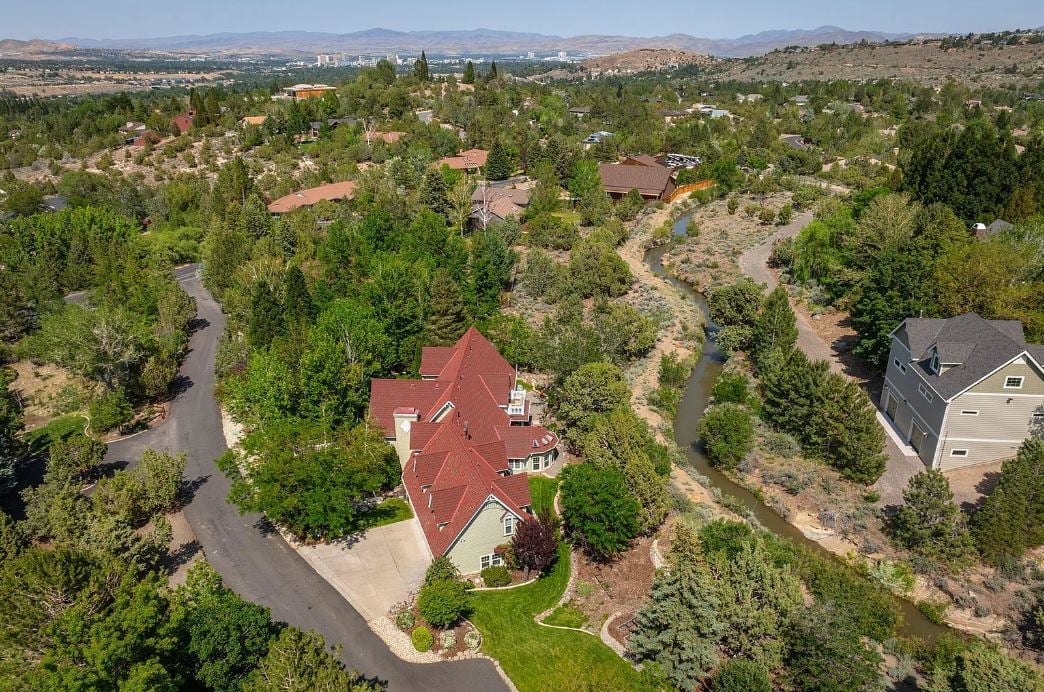
Acreage varies dramatically across Reno. Some parcels offer open meadows while others sit among hills, slopes, or heavy tree coverage.
Terrain Considerations
• Ease of access during winter
• Drainage and natural water flow
• Potential for erosion
• Fire safety requirements in forested areas
• Usability of flat portions of land
Understanding the terrain helps buyers evaluate how the land will function for their lifestyle.
Fire Safety and Environmental Requirements
Many acreage neighborhoods sit within a wildland urban interface. Fire safety becomes part of responsible ownership.
Important Factors
• Defensible space requirements
• Fuel reduction expectations
• Tree and vegetation guidelines
• Insurance availability and cost
Preparedness protects both the homeowner and the community.
Access Roads and Driveway Conditions
Some acreage properties sit behind private roads or long gravel driveways.
Things Buyers Should Review
• Does the city or county maintain the road
• Do neighbors share maintenance
• Can emergency vehicles reach the property
• Does winter weather affect access
Daily access matters more than buyers realize. A clear understanding helps ensure smooth living.
Conclusion
Acreage living offers privacy, comfort, and natural beauty. It also requires informed decision-making. Buyers who understand water systems, septic expectations, zoning, terrain, and access feel secure and excited about the lifestyle they are choosing.
Sellers who present these details clearly build trust with buyers and strengthen their position in the market.
About Jodi Kruse
Jodi Kruse is a Reno, Nevada real estate agent with Sierra Sotheby's International Realty. Licensed since 2012, she specializes in home sales, luxury properties, probate and trust sales, and buyer and seller representation across Northern Nevada and the Lake Tahoe region. She holds RENE, SRS, and ABR designations and has closed nearly $100 million in transactions. Jodi works with first-time buyers, move-up sellers, relocation clients, and families navigating estate sales. Contact Jodi at 775.233.1190 or visit renosrealtygroup.com.