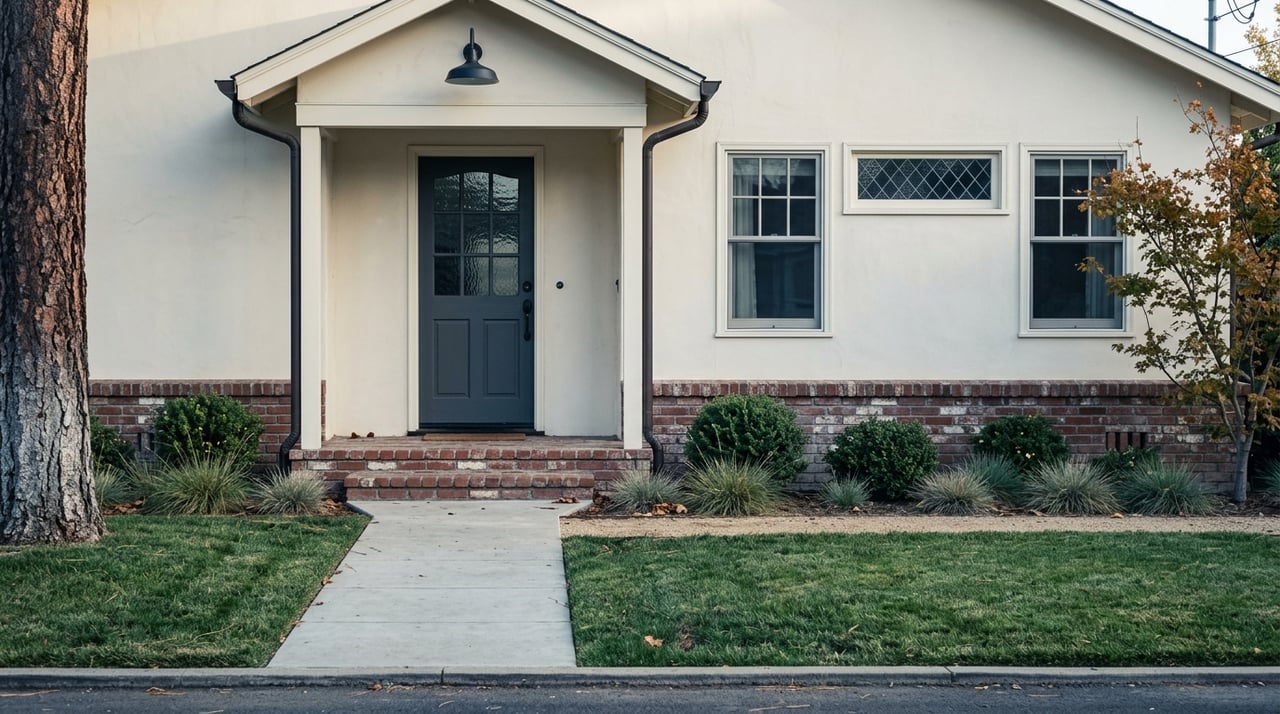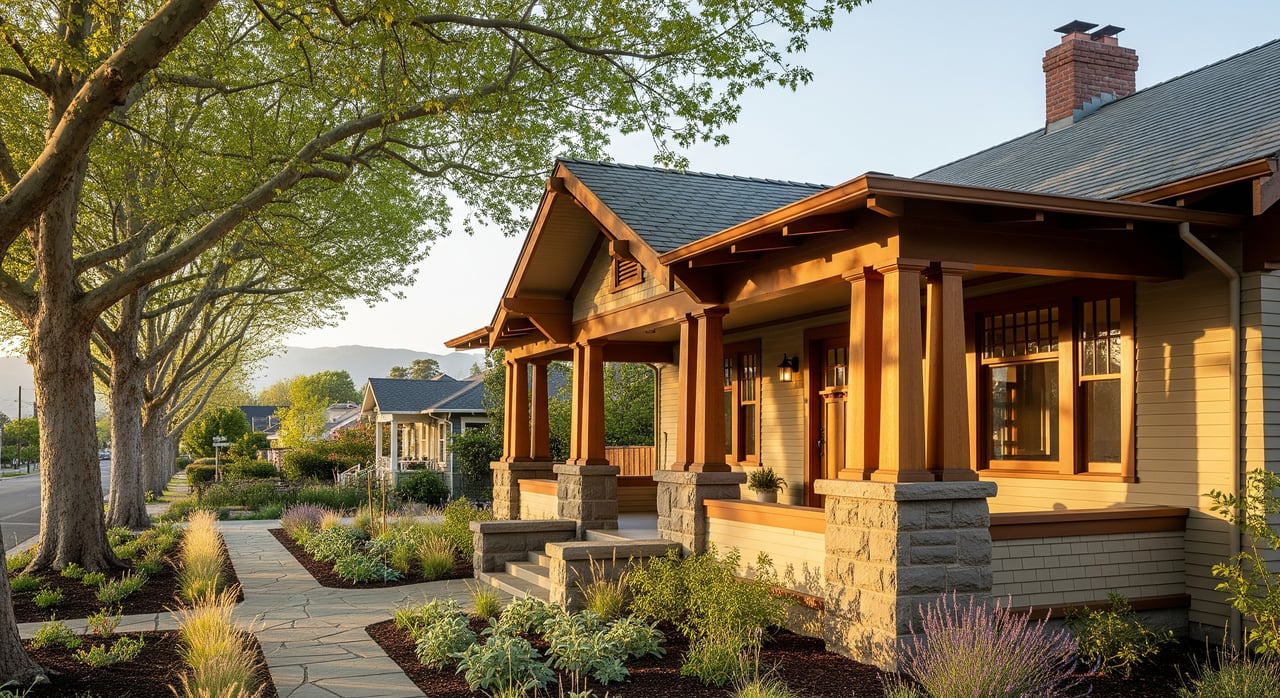
Love the charm of Old Southwest Reno’s tree-lined streets and character homes? You’re not alone. Buying a historic home takes a bit more homework, but it can be deeply rewarding when you know what to look for and how to plan. In this guide, you’ll learn how historic status works in Reno, what to expect from inspections and permits, and how to budget smartly for updates while preserving the details you love. Let’s dive in.
What “historic” means in Reno
Historic homes can be recognized at the national, state, or local level. Each level carries different implications for you as a buyer.
- National Register of Historic Places: Primarily honorary for private owners. It does not restrict typical private actions unless federal funds or permits are involved.
- Nevada State Historic Preservation Office (NV SHPO): Coordinates nominations and tracks historic resources statewide.
- City of Reno local designation: This is the one that can affect your plans. Local districts or landmarks often require design review for exterior changes visible from the street. Interior work is usually not regulated unless specially protected.
Bottom line: Local designation is what most often triggers exterior design review. Building permits still apply to system and structural work regardless of historic status.
How to confirm a home’s status
Before you write an offer, verify whether a home is listed or within a local historic district.
- Check the City of Reno Planning Department’s resources for local districts and design review requirements. You can start with the Planning and Engineering page for direction on process and contacts: City of Reno Planning Department.
- Search the federal National Register database for individual listings or districts.
- Review state-level records through Nevada SHPO for documented resources and historic context.
- Ask your agent to request any prior approvals, permits, or design-review decisions related to the property.
Styles you’ll see in Old Southwest Reno
Old Southwest Reno features homes largely built from about 1900 to the early 1940s, so you’ll see classic, pre-World War II architecture.
- Craftsman/Bungalow: Low-pitched gables, wide eaves with exposed rafters, tapered porch columns, built-ins, wood-sash windows.
- American Foursquare: Boxy two-story form, low hipped roof, central dormer, full-width front porch.
- Colonial Revival and Dutch Colonial Revival: Symmetrical facades or gambrel roofs, classical details, multi-pane windows.
- Tudor Revival: Steep roofs, decorative half-timbering, tall narrow windows, asymmetry.
- Minimal Traditional: Simpler lines from the late 1930s–1940s with modest ornament.
Inside, expect original wood floors, plaster-and-lath walls, detailed trim, single-pane wood-sash windows, and period fireplaces. These character-defining elements are often what you’ll want to preserve.
Renovations, reviews, and permits
There are two separate processes to understand: historic review and building permits.
- Historic review: If the home is locally designated, exterior changes visible from the street may need approval for compatibility with neighborhood character. Some in-kind repairs can be approved administratively. Larger changes usually go to a commission meeting, which can add weeks to your timeline.
- Building permits: Required for structural changes and most electrical, plumbing, mechanical, and roofing work. Permits focus on safety and code compliance and run independently of historic review.
Common triggers to expect:
- Exterior changes like window replacements, porch alterations, siding changes, additions, or visible HVAC equipment.
- Major interior structural work or system upgrades that need permits even when interiors are not historically regulated.
Hazardous materials and compliance
If the home was built before 1978, assume you may encounter lead-based paint. The federal EPA Renovation, Repair, and Painting Rule requires EPA-certified contractors and lead-safe practices for projects that disturb painted surfaces. Older materials can also include asbestos in insulation, tile, or mastics. Testing and, if needed, licensed abatement should be part of your plan.
Inspections that matter for older homes
Older homes often have strong bones but can carry legacy systems and age-related wear. Go beyond a standard inspection with targeted checks.
Key areas to evaluate:
- Foundation and drainage: Look for settling, cracks, bowed walls, and site grading issues. A structural engineer may be needed if movement is significant.
- Roof and chimneys: Verify roof age, flashing, and chimney mortar condition. Older masonry chimneys commonly require repairs.
- Framing and moisture: Check for rot, insect damage, undersized members, and any cut beams from past remodels.
- Attic and insulation: Many older homes have limited insulation and ventilation. Plan upgrades carefully to avoid condensation problems.
- Electrical: Look for knob-and-tube, cloth-insulated wire, fuse panels, and ungrounded circuits. Many buyers budget for full or partial rewiring.
- Plumbing: Identify galvanized or lead piping and look for corrosion, leaks, or pressure issues.
- HVAC: Assess furnace or boiler age and whether ductwork or distribution is adequate.
- Windows and doors: Assess sash condition, rot, and weatherstripping. Restoration plus storm windows can improve efficiency while keeping original character.
Specialists to consider:
- Structural engineer for foundation or framing concerns.
- Historic preservation architect for design guidance and commission review strategy.
- Licensed electrician and plumber for system scopes and estimates.
- Lead and asbestos professionals for testing and compliance.
- Roofing, chimney, or masonry specialists when historic materials are involved.
Budgeting and value decisions
Historic homes can cost more to maintain, especially when you preserve original features with skilled trades. Plan for specialized labor and materials like custom millwork, plaster repair, and sash restoration.
Smart ways to balance preservation and performance:
- Window strategy: Consider restoration plus storms rather than full replacement. It often delivers better performance than expected while preserving historic fabric. Replacement may be allowed if guidelines are met.
- System upgrades: Prioritize safety and reliability. Electrical, plumbing, HVAC, and roof work often come first.
- Incentives: Federal historic tax credits generally apply to income-producing properties, not owner-occupied single-family homes. Check Nevada SHPO and City of Reno resources for any current local programs.
- Contingency: Build a reserve for testing and permits. Surprises are common in older buildings, and a healthy buffer protects your timeline.
A smart path to purchase
Use this simple framework to reduce risk and avoid delays.
- Verify status
- Confirm any local designation or district and ask for past approvals. Start with the City of Reno Planning Department, the National Register database, and Nevada SHPO.
- Inspect and scope
- Order a comprehensive inspection, then layer in specialists. Request seller records for prior permits, contractor invoices, and design-review approvals.
- Plan renovations early
- Meet with City historic or planning staff before finalizing exterior changes to understand review timelines and submittal requirements. Line up EPA-certified and licensed contractors for lead or asbestos if needed.
Local resources to bookmark
- National Park Service Preservation Briefs: Practical how-tos on windows, masonry, wood, and energy upgrades NPS Preservation Briefs.
- EPA RRP Rule: Lead-safe work practices and contractor certification EPA RRP overview.
- Nevada State Historic Preservation Office: Records and technical guidance Nevada SHPO.
- City of Reno Planning Department: Historic resources, design review, and permit process Reno Planning and Engineering.
- National Register of Historic Places: Search listings and districts NPS National Register database.
- University of Nevada, Reno Special Collections: Historic photos, maps, and neighborhood archives UNR Special Collections.
Ready to find your historic home?
Buying in Old Southwest Reno is about pairing character with a clear plan. With the right inspections, a realistic budget, and a good handle on design review, you can preserve what you love and modernize where it counts. If you want a local guide who understands both the buying process and the financial side of renovations, reach out to Jodi Kruse for tailored advice and next steps.
FAQs
What does “historic designation” change for a Reno homeowner?
- Local designation can require review for exterior changes visible from the street, while interior work is usually not regulated. Building permits are still required for system and structural work.
How do I check if a home in Old Southwest Reno is historic?
- Review City of Reno historic resources, search the National Register database, and consult Nevada SHPO records. Ask for any past approvals and permits tied to the property.
Are historic homes more expensive to maintain than newer homes?
- They can be, especially when preserving original materials and upgrading older systems. Many buyers accept the tradeoff for long-term durability and character.
Can I modernize the kitchen and baths in a historic home?
- Yes. Interior updates are common and typically allowed. Coordinate any exterior changes, additions, or new exterior openings with historic review requirements.
Do I have to replace old windows for energy efficiency?
- Not always. Repairing original sash and adding storm windows often improves performance while retaining historic character. Replacement may be allowed if it meets local guidelines.
Are there tax credits for owner-occupied historic homes?
- The federal historic rehabilitation tax credit mainly applies to income-producing properties, not owner-occupied single-family homes. Check Nevada SHPO and City of Reno for any local programs.
About Jodi Kruse
Jodi Kruse is a Reno, Nevada real estate agent with Sierra Sotheby's International Realty. Licensed since 2012, she specializes in home sales, luxury properties, probate and trust sales, and buyer and seller representation across Northern Nevada and the Lake Tahoe region. She holds RENE, SRS, and ABR designations and has closed nearly $100 million in transactions. Jodi works with first-time buyers, move-up sellers, relocation clients, and families navigating estate sales. Contact Jodi at 775.233.1190 or visit renosrealtygroup.com.