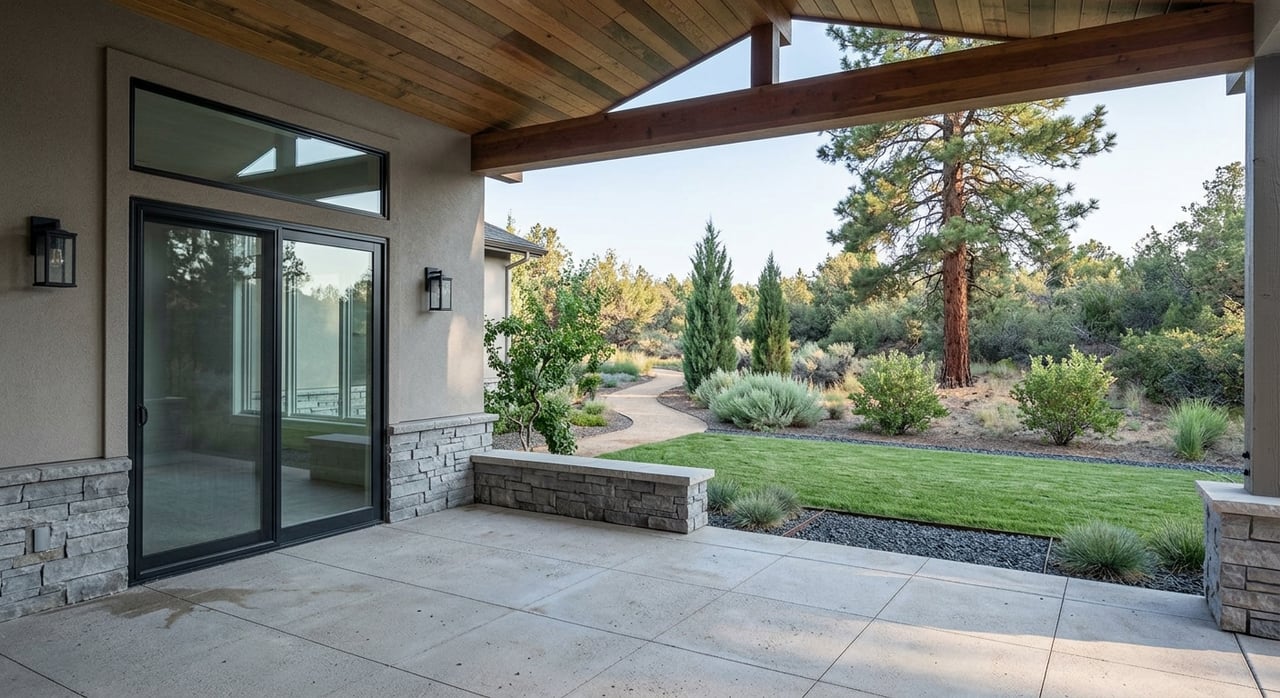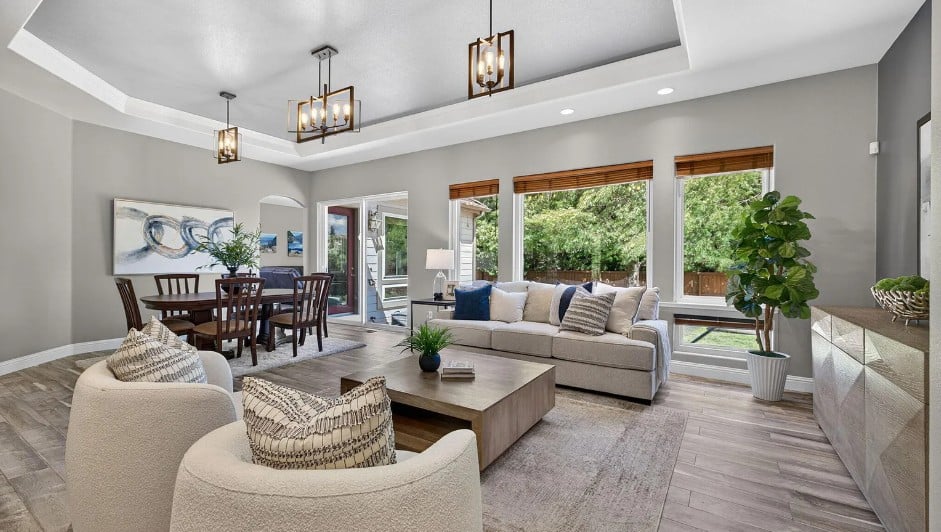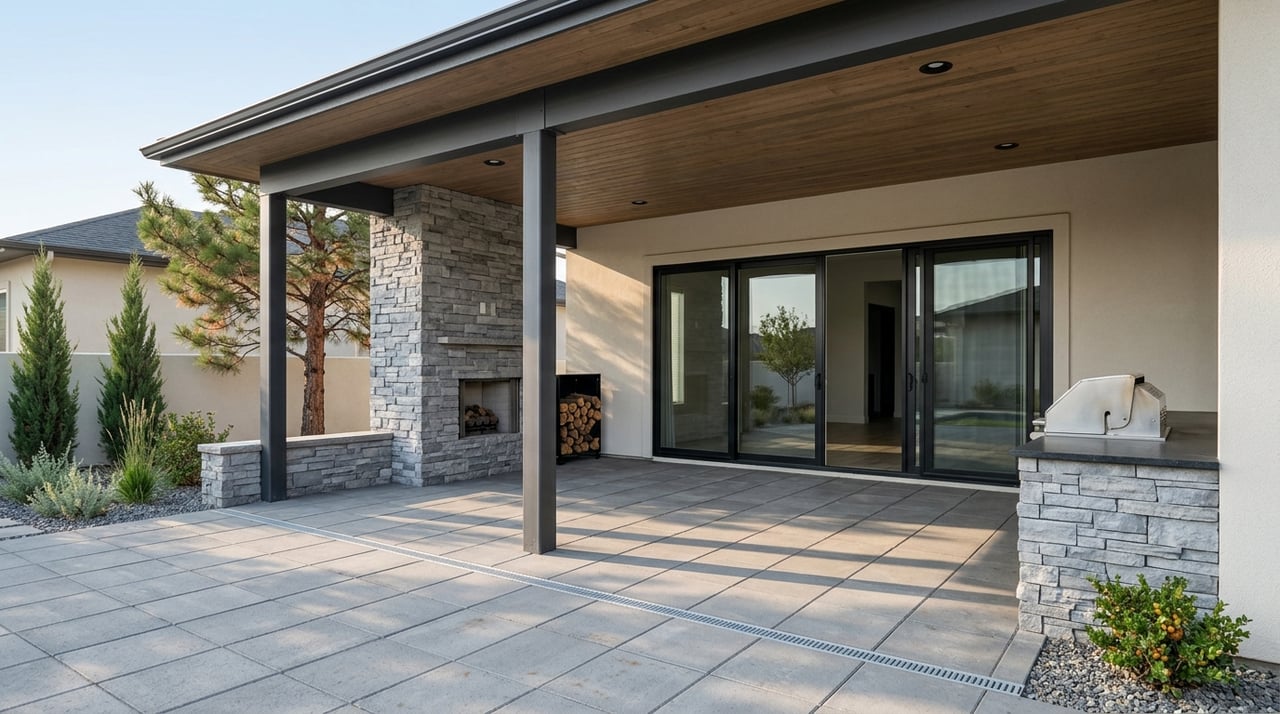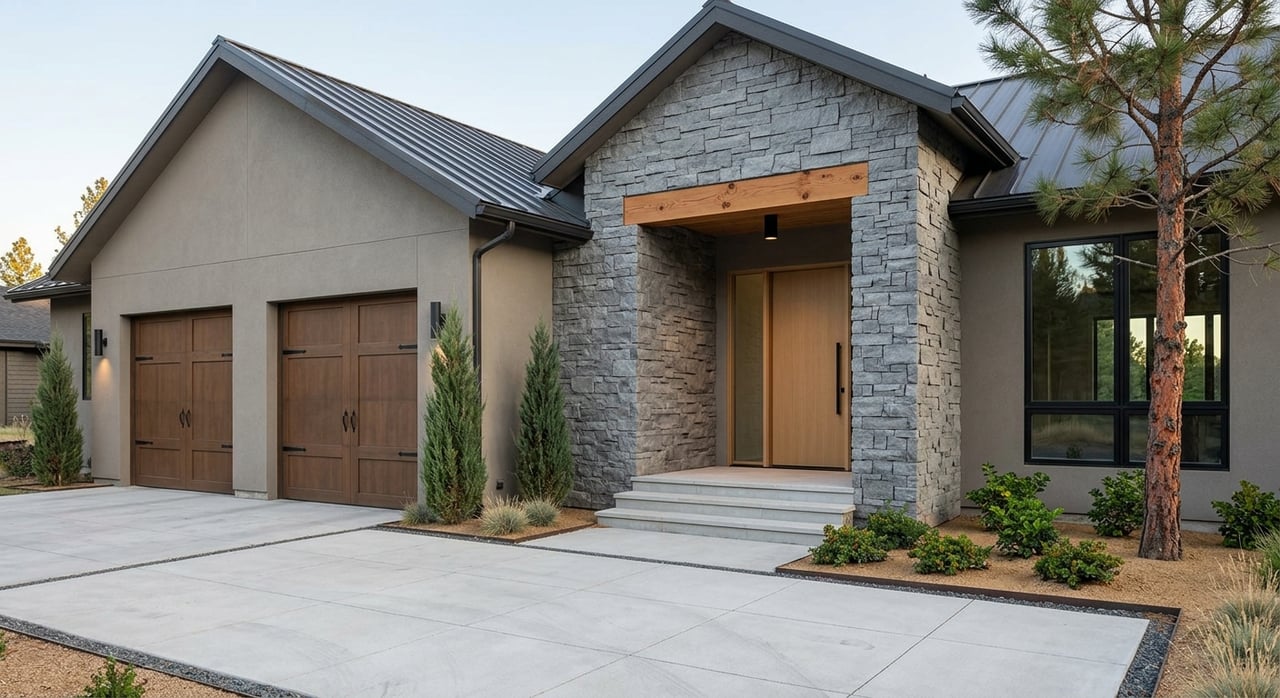
Thinking about a second home in Montreux? It is easy to see the appeal. Between Reno and Lake Tahoe, Montreux offers a private, low-density setting with golf, recreation, and a lock-and-leave lifestyle that many second-home buyers want. If you are weighing whether it is the right fit, the key is to look past the beautiful setting and focus on how ownership, HOA rules, and club access will shape your day-to-day experience. Let’s dive in.
Why Montreux draws second-home buyers
Montreux Golf & Country Club describes itself as a private golf course community located between Reno and Lake Tahoe. The community is gated and centered around an 18-hole Jack Nicklaus Signature championship course, along with a clubhouse, walking trails, tennis, a pool, and a fitness center.
For many buyers, that combination checks the right boxes for a second home. You get a resort-style environment in a setting that feels more private and established than a typical high-turnover neighborhood.
The scale of Montreux also matters. The club’s real estate information notes about 540 homesites across 726 acres, which points to a lower-density layout. If you are looking for space, privacy, and a more tucked-away feel, that is an important part of the appeal.
Location matters for part-time living
A second home should be easy to enjoy, not hard to reach. Montreux benefits from its position in South Truckee Meadows, with access to both Reno and the Lake Tahoe corridor.
For out-of-area owners, travel convenience can make a major difference. Reno-Tahoe International Airport reports more than 130 daily arrivals and departures and more than 20 nonstop destinations, which can make quick visits and longer seasonal stays more practical.
That said, convenience is only one part of the picture. You also want to think about how often you realistically plan to use the home and whether Montreux’s lifestyle lines up with that pattern.
Separate the three big decisions
One of the smartest ways to evaluate a second home in Montreux is to treat your decision as three separate tracks.
Those tracks are:
- The home purchase itself
- The HOA and deed restriction review
- The club membership decision
These pieces may overlap, but they are not the same thing. A property can be a great fit physically, while the HOA rules or membership costs may make it less practical for how you plan to use it.
Review HOA documents carefully
If you are buying from out of town, the HOA review is one of the most important parts of your due diligence. Nevada’s Real Estate Division says a common-interest-community resale package should include the declaration, bylaws, rules or regulations, monthly assessment, operating budget and financial statement, and reserve-study summary.
That package gives you the clearest picture of how the community operates. It can help you understand current fees, reserve planning, and any limits on use that could affect your plans as a second-home owner.
Nevada disclosure guidance also gives the buyer a 5-day cancellation window after receiving the resale package. That makes timing important. You want enough time to review the documents carefully and ask questions before moving forward.
Focus on use limits, not just dues
Many buyers naturally focus first on HOA dues. Those numbers matter, but they are only part of the story.
For a second home, you should pay close attention to how the recorded documents address occupancy, renting, leasing, guest use, and any other restrictions that may affect a part-time owner. A community that works well for full-time living may operate differently for someone planning seasonal use.
The Nevada Real Estate Division says associations may require approval or adopt reasonable restrictions on renting or leasing. Washoe County also states that its short-term rental ordinance does not override private CC&Rs. In plain terms, that means community documents may be the deciding factor, even if county rules would otherwise allow a certain use.
Understand short-term rental rules in Washoe County
If part of your second-home plan includes renting the property for shorter stays, you need to understand the county rules early. Washoe County defines a short-term rental as lodging for less than 28 days.
The county also says a permit is required before advertising or renting a private residence for less than 28 days in unincorporated Washoe County. Since Montreux appears on Washoe County’s map of approved unbuilt subdivisions in unincorporated Washoe County, county rules are the starting point for this conversation.
A short-term rental permit is valid for 12 months and must be renewed annually. Washoe County also requires compliance with occupancy and parking limits, and it does not allow events, parties, or weddings to be advertised.
Know the local manager requirement
This is the part many seasonal owners underestimate. Washoe County requires a designated local responsible party for a short-term rental.
That person must be able to respond within 30 minutes and be physically present within 1 hour if needed to resolve a complaint. If you do not already have reliable local support, that requirement can turn a simple occasional-rental idea into a much more hands-on operation.
For many buyers, this becomes a lifestyle question rather than just a legal one. If you want a true lock-and-leave second home, you should think carefully about whether active rental management fits your goals.
Club membership is a separate choice
Montreux’s lifestyle is closely tied to the club, but membership should still be evaluated on its own. The club’s public membership information describes Montreux as member-owned and lists Golf, Sports, and Clubhouse membership tiers.
Golf membership includes full access to golf, practice facilities, the fitness center, clubhouse, tennis, pickleball, sport court, swimming pools, and hot tubs. Sports membership includes tennis, pickleball, swimming, social activities, group fitness, and up to eight golf rounds per person annually at the accompanied guest rate. Clubhouse membership centers on dining and social events.
That structure matters because not every second-home owner will use Montreux in the same way. Some buyers want golf to be central to the experience, while others care more about social events, dining, and general recreation.
Match membership to actual use
It is easy to get excited about amenities during a showing or a weekend visit. The better question is how you will use them over a full year.
If you plan to spend extended time in Montreux and golf regularly, one membership path may make sense. If your visits will be occasional and centered more on relaxing, entertaining, or enjoying the setting, another option may fit better.
This is also where cost planning becomes important. Your second-home budget should include not only the purchase price, but also HOA assessments, club-related costs if applicable, and the practical expenses that come with owning a home you may not occupy year-round.
Think through the lock-and-leave side
A second home often sounds simple until you map out the ownership details. Before you buy, think about what you want ownership to feel like when you are away.
Questions worth asking include:
- What does the HOA maintain, and what remains your responsibility?
- How often will the home sit vacant?
- Do your plans involve personal use only, or some form of rental use?
- If rental use is part of the plan, do the community rules and county rules both allow it?
- Do you have reliable local help if an issue comes up while you are gone?
These questions can help you separate a property that looks good on paper from one that truly fits your lifestyle.
Why Montreux can be a strong fit
For the right buyer, Montreux offers a very specific type of second-home experience. It combines a private golf community setting, a lower-density layout, and access to both Reno and Lake Tahoe.
The course itself is a major part of the identity. Montreux says the 7,500-yard par-72 layout hosted the Reno-Tahoe Open from 1999 through 2019, and its signature 17th hole features a 138-foot drop. For buyers who value golf and club-centered recreation, that can be a meaningful part of the property decision.
Still, the best second-home purchases are grounded in fit, not just features. The right property should support the way you actually plan to use it, whether that means quiet seasonal living, frequent golf weekends, or a broader mountain-luxury retreat near Reno and Tahoe.
If you are considering a second home in Montreux, a careful review of the property, HOA documents, and club options can save you time, money, and stress later. If you want local guidance on how to compare homes, review the practical details, and make a confident move in Northern Nevada, Jodi Kruse is here to help.
FAQs
What makes Montreux appealing for a second home?
- Montreux offers a gated, low-density private golf community between Reno and Lake Tahoe, with amenities that include golf, a clubhouse, walking trails, tennis, a pool, and a fitness center.
What HOA documents should you review before buying in Montreux?
- Nevada’s Real Estate Division says the resale package should include the declaration, bylaws, rules or regulations, monthly assessment, operating budget and financial statement, and reserve-study summary.
Can you use a Montreux second home as a short-term rental?
- You need to review both Washoe County rules and the property’s recorded community documents, because county rules require a permit for rentals under 28 days and the county says its ordinance does not override private CC&Rs.
What does Washoe County consider a short-term rental near Montreux?
- Washoe County defines a short-term rental as lodging for less than 28 days in unincorporated Washoe County.
What should seasonal owners know about managing a short-term rental in Montreux?
- Washoe County requires a designated local responsible party who can respond within 30 minutes and be physically present within 1 hour if needed.
Do you need club membership to enjoy Montreux amenities?
- Montreux offers different membership tiers, including Golf, Sports, and Clubhouse memberships, and each tier provides different levels of access to the club’s amenities and activities.
About Jodi Kruse
Jodi Kruse is a Reno, Nevada real estate agent with Sierra Sotheby's International Realty. Licensed since 2012, she specializes in home sales, luxury properties, relocations, and buyer/seller representation across Northern Nevada and Lake Tahoe. She holds RENE, SRS, and ABR designations and has closed nearly $100M in transactions. Contact: 775.233.1190 | https://renosrealtygroup.com/