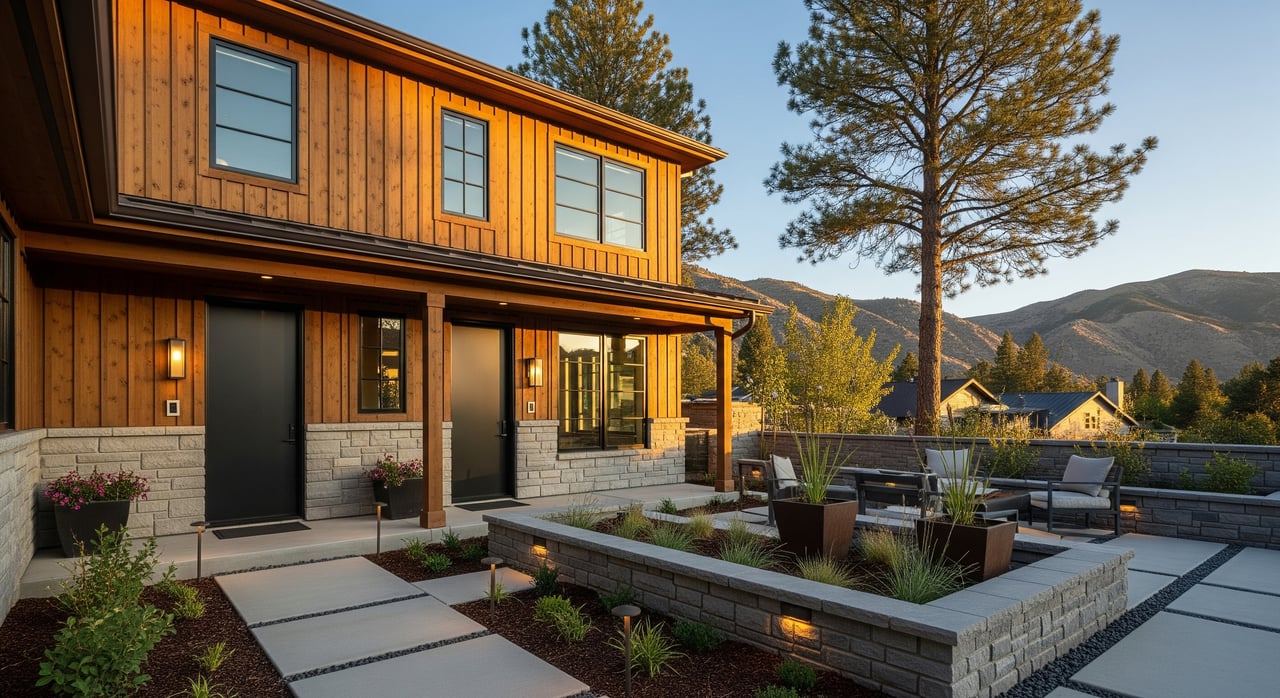
Dreaming of living near UNR while your tenants help cover the mortgage? In University Ridge and the 89557 area, campus-driven demand makes house hacking a practical way to build equity faster. You want a clear plan, realistic numbers, and a framework that fits local rules and the academic calendar.
This guide walks you through proven strategies, due diligence steps for Washoe County and the City of Reno, and simple example pro formas you can adapt. You will learn how to rent by the room, add an ADU, and align leases with semester demand to reduce vacancy. Let’s dive in.
Why house hacking near UNR works
UNR’s student body, faculty, and staff drive steady demand for rooms, small units, and flexible-term rentals. Different renter groups value different setups, from furnished bedrooms to private studios or 1-bed units. Visiting faculty and event-related stays can also add short-term spikes in demand.
Seasonality matters. Peak leasing runs late summer for fall move-in, with another bump before spring. Summer demand can vary and may favor shorter-term stays. Plan your vacancy and turnover around the academic calendar to keep cash flow on track.
In University Ridge, proximity to campus activity helps support occupancy for room-by-room housing and compact units. Always verify current rents and vacancy trends before you buy or build.
Strategy 1: Rent by the room
Renting by the room means you live in the home and lease individual bedrooms to separate tenants who share common areas. Many investors use month-to-month or academic-term leases.
Pros:
- Higher potential gross rent compared to single-lease 3 to 4 bedroom homes.
- Diversified income across multiple tenants.
- Access to owner-occupied financing options with lower down payments.
Cons:
- Higher turnover and coordination work.
- More wear and tear and shared-utility logistics.
- Possible local restrictions on occupancy and rooming setups.
How to operate well:
- Use clear room-by-room leases plus a House Rules addendum that covers cleaning, quiet hours, guests, and parking.
- Decide on utilities early. Include utilities in rent for simplicity, split them fairly, or explore ratio utility billing. Confirm what is allowed by providers.
- Screen consistently and consider guarantors for students with limited credit history.
- Price rooms based on current comps in 89557. Compare the combined room rents to a whole-home lease to confirm the premium.
Strategy 2: Add an ADU
An Accessory Dwelling Unit can be a converted garage, basement apartment, or a detached small home on the same lot, permitted as a separate dwelling.
Pros:
- A second income stream that often appeals to grad students or staff.
- Strong flexibility. Live in one unit and rent the other or rent both in the future.
- Potential value add to the property.
Cons:
- Upfront soft and hard costs and possible utility upgrades.
- Zoning, setbacks, and parking requirements to navigate.
- Increased permitting and property tax considerations.
Key ADU checks for 89557:
- Confirm your parcel’s jurisdiction and zoning, then verify whether ADUs are permitted by right or require a conditional use permit.
- Review ADU size, height, and setback limits, plus any lot coverage and parking standards.
- Confirm sewer, water, and electrical capacity and any connection or impact fees.
- Follow building code life-safety rules for egress, smoke and CO alarms, and fire separation.
- Ask the permit counter about required drawings, submittal timelines, and review cycles.
- If you plan any short-term use, verify local STR rules first.
Financing notes: Some lenders allow rehab or ADU-friendly loans. Underwriting can treat ADU and room-by-room income differently, so confirm details early.
Strategy 3: Match leases to the academic calendar
The right lease length can improve occupancy and rent.
- 12-month leases: Lower turnover and predictable income. A good fit for grad students and staff.
- Academic-term leases: 9 to 10 months can command higher monthly rent but risk longer summer vacancy.
- Short-term rentals: Event-driven demand can be strong, but local licensing rules and day-to-day management are more complex. Verify what is allowed before you plan on STR income.
- Hybrid approach: Live in the main home, rent your ADU or extra rooms long term, and consider limited short-term use during peak demand windows if allowed.
Due diligence for University Ridge and 89557
Follow a step-by-step process before you purchase or build:
- Confirm parcel and zoning
- Use local GIS or the assessor to confirm parcel boundaries, jurisdiction, and zoning district.
- Check allowed uses and whether your zoning supports ADUs, duplexes, or multi-tenant living.
- Validate occupancy and rooming rules
- Some areas cap the number of unrelated occupants in a single dwelling. Confirm limits and any single-room occupancy restrictions.
- Review ADU standards and permitting
- Verify size, setback, and parking requirements, plus life-safety and utility standards.
- Ask building and planning about permit checklists, fees, and timelines.
- Pull current rent comps
- Gather rent-per-bedroom data for shared housing and comps for studios and 1-bed units in 89557.
- Confirm demand drivers
- Check UNR enrollment trends and on-campus housing capacity using university sources to estimate unmet demand.
- Scan CC&Rs and overlays
- If there is an HOA, review CC&Rs for any rental, ADU, or STR restrictions.
- Confirm whether floodplain, hillside, or historic overlays affect buildable area.
- Check utilities and site constraints
- Ask about sewer, water, electrical capacity, and any easements or encroachments.
- Talk to lenders
- Confirm underwriting treatment for room-by-room income and ADU income with an owner-occupied loan.
- Consult legal and professional help
- For multi-tenant setups, speak with a professional about occupancy rules and landlord-tenant law.
- Obtain a rough cost and timeline from a local contractor familiar with ADUs.
Run the numbers: simple examples
These examples are for illustration only. Replace all numbers with current local data before you decide.
Example A: Rent-by-room in a 4BR owner-occupied home
Assumptions:
- Purchase price: $550,000
- Down payment: 20 percent
- Interest rate: sample 6.5 percent
- Bedrooms rented: 3 rooms at $900 each per month
Illustrative results:
- Monthly GSI: $2,700
- Vacancy and turnover loss: 10 percent
- Operating expenses include taxes, insurance, a share of utilities, maintenance, reserves, and optional management.
- With these inputs, the sample shows negative cash flow. This suggests you should test higher room rents, a lower purchase price, a larger down payment, different financing, or an ADU addition.
What to model next:
- Rent per room break-even
- Interest rate sensitivity
- Impact of furnishing rooms or including utilities
Example B: Add a 1BR ADU to the same property
Assumptions:
- ADU cost: $120,000
- ADU rent: $1,200 per month
- Net ADU contribution after added expenses: about $10,000 per year in this example
Takeaway:
- The ADU’s separate income stream can move the overall scenario from negative toward neutral or positive cash flow, depending on financing. Test ADU rent from $1,000 to $1,600 and costs from $80,000 to $160,000 to estimate payback and cash-on-cash return.
Key metrics to track:
- Effective Gross Income = Gross Scheduled Income minus vacancy
- Net Operating Income = EGI minus operating expenses
- Cash Flow Before Tax = NOI minus debt service
- Cash-on-Cash Return = Annual cash flow divided by cash invested
Management best practices near campus
Set strong foundations:
- Leases and rules: Use individual leases and a clear House Rules addendum covering cleaning, guests, noise, parking, and shared chores.
- Utilities: Decide whether to include utilities in rent, split evenly, or bill by ratio. Confirm provider rules.
- Furnishings: Furnished rooms can command a premium, but plan for higher turnover and replacement.
- Turnover calendar: Start pre-leasing 6 to 8 weeks before fall move-in. Align renewals with semester dates.
- Maintenance: Set aside 5 to 10 percent of gross rent for repairs and capex. Create a preventative maintenance schedule.
- Insurance: Confirm your policy covers owner-occupied rentals and multiple unrelated occupants. Encourage tenants to carry renters insurance.
- Screening and fairness: Apply uniform screening criteria and follow Federal and Nevada fair housing laws.
- Self-manage or hire: Weigh your time against management costs. Student-focused managers can handle academic-season leasing and roommate coordination if you prefer a hands-off approach.
Risks to plan for
- Regulatory changes: ADU, occupancy, and STR rules can change. Confirm current rules before you buy or build.
- Market shifts: Enrollment changes or new campus housing can impact off-campus demand and rents.
- Concentration risk: Many student tenants can raise turnover and vacancy during off-peak months. Diversify by appealing to grad students and staff where possible.
- Financing risk: Lenders may discount room-by-room or ADU income for underwriting. Verify early to avoid surprises.
Your next steps
- Verify zoning and parcel details with local GIS and planning.
- Pull current room-by-room and small-unit rent comps for 89557.
- Check UNR enrollment and campus housing capacity to estimate unmet demand.
- Review CC&Rs and overlays, and confirm utility capacity.
- Get a rough ADU cost estimate and a lender opinion on financing options.
- Build three scenarios: conservative, base, and aggressive to understand sensitivity.
If you want a clear, local plan tailored to University Ridge and 89557, let’s map the numbers and timing around the academic calendar and your financing profile. Reach out to schedule your free, no-pressure strategy session with Jodi Kruse.
FAQs
What is house hacking near UNR?
- It is living in a home you own while renting spare bedrooms or a separate ADU to offset your mortgage, often aligned with the UNR academic calendar.
How much can I rent a room for in University Ridge?
- It varies by bedroom size, condition, furnishings, and timing; gather current room-by-room comps in 89557 before setting pricing.
Are ADUs allowed in University Ridge and 89557?
- It depends on your parcel’s jurisdiction and zoning; confirm ADU permissions, size limits, setbacks, and parking with the local planning office.
When should I start leasing for the fall semester?
- Start marketing and pre-leasing 6 to 8 weeks before typical fall move-in to capture peak demand.
Can I operate a short-term rental near UNR?
- Possibly, but STR rules are local; verify registration, licensing, and any neighborhood restrictions before assuming STR income.
What financing options support house hacking?
- Owner-occupied loans may allow lower down payments, and some lenders offer rehab or ADU-friendly financing; confirm underwriting early.
About Jodi Kruse
Jodi Kruse is a Reno, Nevada real estate agent with Sierra Sotheby's International Realty. Licensed since 2012, she specializes in home sales, luxury properties, probate and trust sales, and buyer and seller representation across Northern Nevada and the Lake Tahoe region. She holds RENE, SRS, and ABR designations and has closed nearly $100 million in transactions. Jodi works with first-time buyers, move-up sellers, relocation clients, and families navigating estate sales. Contact Jodi at 775.233.1190 or visit renosrealtygroup.com.