Thinking about a move to Damonte Ranch in South Reno? If you’re comparing neighborhoods from out of town, it can be hard to judge commute routes, HOA details, parks, and how the homes feel day to day. This guide gives you a clear, practical picture so you can plan with confidence. You’ll learn the key roads, outdoor access, HOA basics, common home types, a two-day visit plan, and remote-buying tips tailored to Damonte Ranch. Let’s dive in.
Where Damonte Ranch fits
Damonte Ranch is a master-planned area in south Reno within Washoe County. It was developed in phases and includes a mix of housing, neighborhood retail, parks, schools, and light commercial nodes. Many buyers who choose Damonte Ranch want newer suburban homes with nearby amenities and access to employment centers in South Meadows and downtown Reno.
Public services are managed by Washoe County and the City of Reno where applicable. Utility providers commonly include NV Energy for electricity, Southwest Gas, and Truckee Meadows Water Authority for water and sewer. Always verify the provider list for the specific parcel you are considering.
Commutes and connectivity
The primary north-south freeway is I-580/US-395, which connects south Reno to downtown and north employment hubs, and south to Carson City. McCarran Boulevard provides a loop around Reno and links neighborhoods and commercial centers. You’ll also use local arterials like Damonte Ranch Parkway and South Meadows Parkway to connect to the freeway and daily services.
If you head to the Sierra or Lake Tahoe, Mt. Rose Highway offers regional access for day trips and outdoor recreation. Regional bus service in the Truckee Meadows is provided by the RTC, but many suburban areas have limited fixed-route options. If transit matters to you, check current route maps and test expected travel times. For driving, plan to test your commute during the hours you expect to travel, especially on segments leading into downtown.
Parks, trails, and outdoor access
You’ll find a network of neighborhood parks, pocket parks, and landscaped open spaces throughout Damonte Ranch. Some subdivisions also include community amenities like pools or courts. Verify whether those amenities are public or for HOA members only.
South Reno connects to regional trail systems for walking, running, and biking, with access to larger open spaces in the foothills. Damonte Ranch is positioned on the Truckee Meadows side of the Sierra, making day trips to Mt. Rose and Lake Tahoe a popular part of local life. For each home you consider, confirm which parks or trailheads are within walking distance, the type of trail surfaces, and whether trails are maintained year-round.
HOA basics and common home types
Many Damonte Ranch neighborhoods have homeowner associations, while some pockets do not. HOA scope can range from light landscaping and common-area maintenance to full amenities such as clubhouses, pools, gated entries, or private parks. Ask for the full HOA resale package and review CC&Rs, bylaws, budgets, reserve studies, meeting minutes, and rules and regulations.
Fees vary depending on amenities and maintenance. Confirm what the assessments cover, whether exterior or roof work is included, and whether any special assessments or litigation are pending. Also review parking rules, pet policies, short-term rental restrictions, and architectural guidelines.
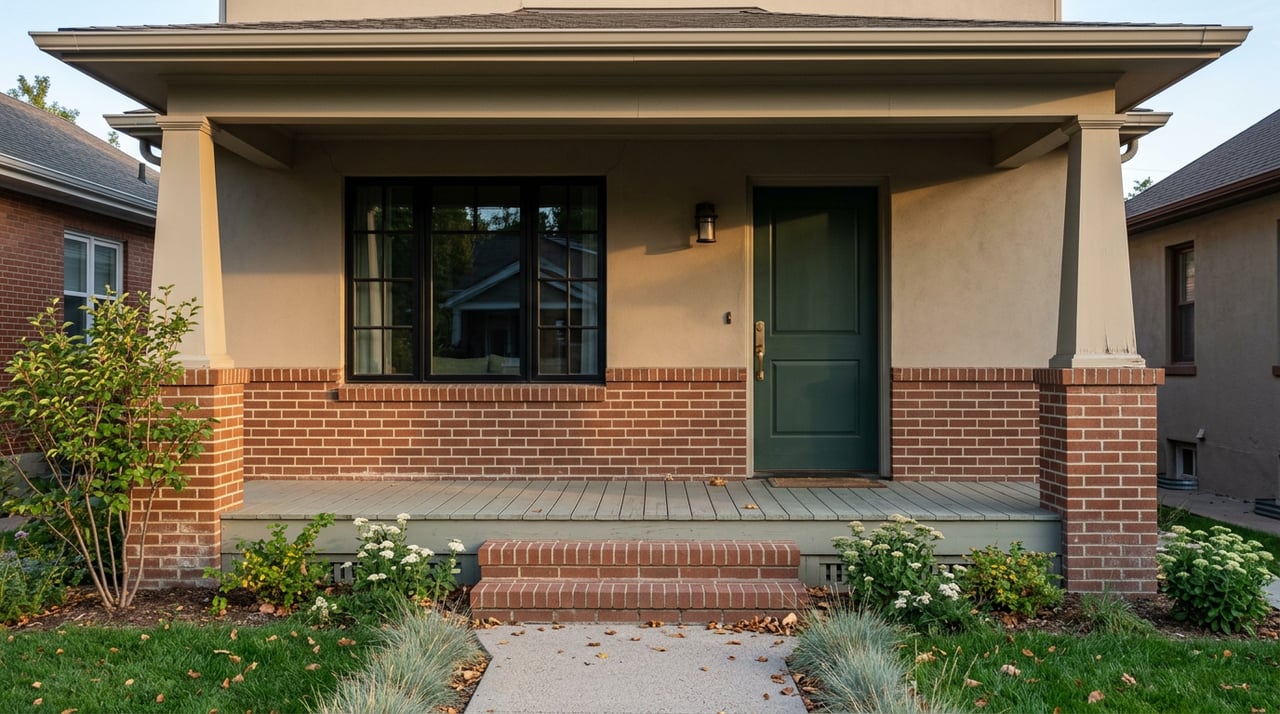
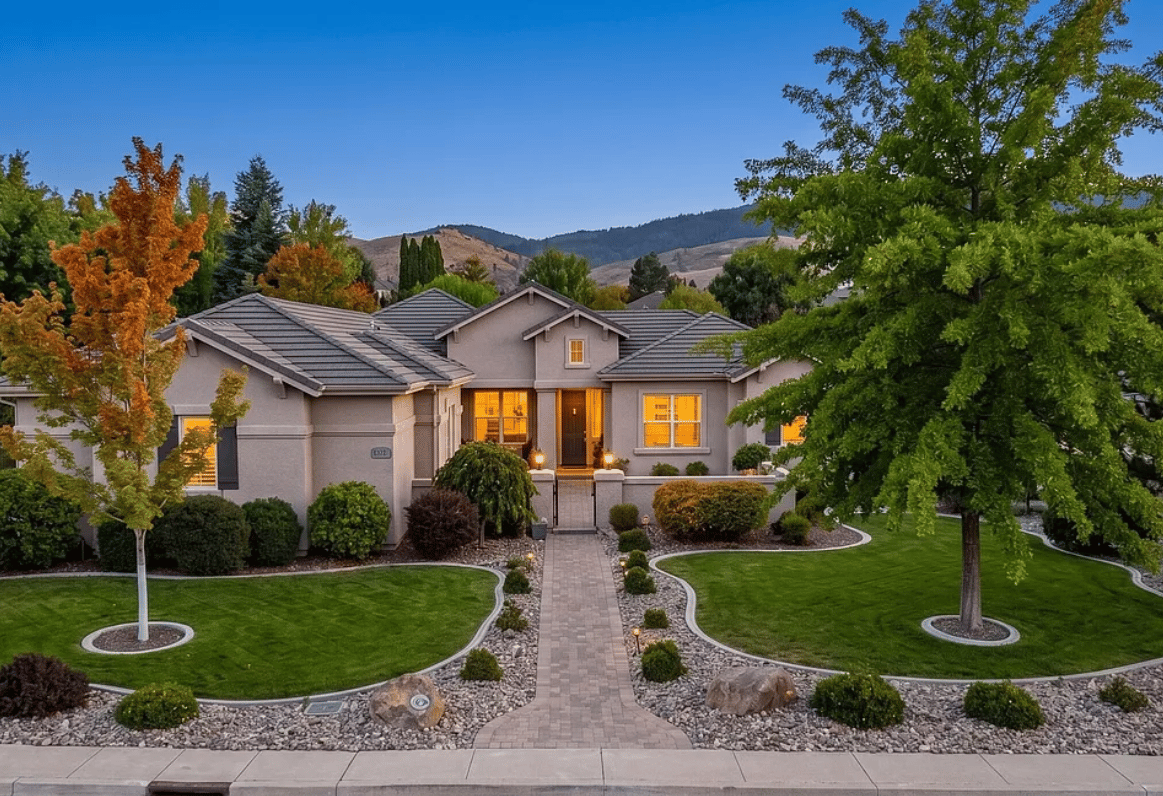
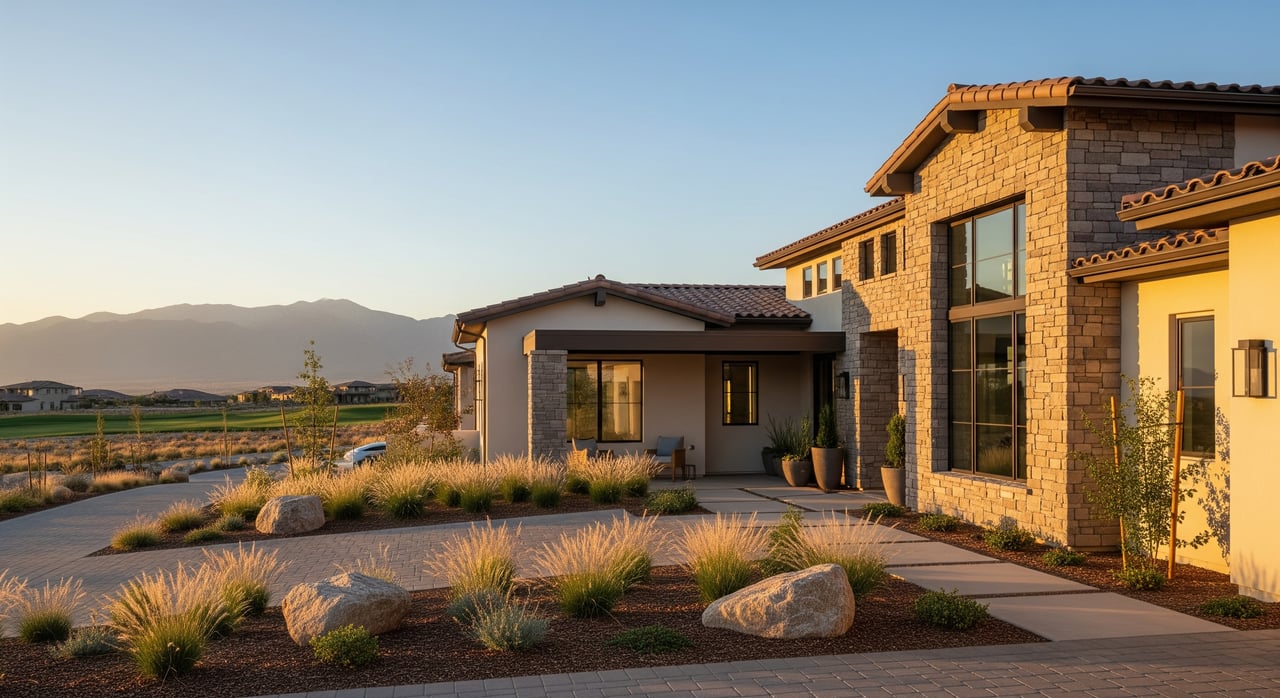
Common home types include single-family detached homes on modest suburban lots to larger estate lots in certain sections. You will also find townhomes and attached units in higher-density pockets, plus patio or zero-lot-line homes for lower yard maintenance. Lot styles vary from standard rectangular to corner, cul-de-sac, and occasional flag lots. Pay attention to lot orientation and slope, which affect sun exposure and outdoor usable space.
What to verify for any property
Use this checklist to focus your due diligence:
- Parcel and tax details with the Washoe County Assessor, and any recorded plats or easements with the Recorder.
- School attendance boundaries with the Washoe County School District. If schools matter to you, plan a weekday visit and speak with a registrar.
- HOA presence and all recorded CC&Rs if applicable. Confirm how rules are enforced and how violations are handled.
- Flood and wildfire exposure using FEMA flood maps and county or fire-district resources. Ask about defensible-space requirements.
- Utility providers for water, sewer, electricity, gas, trash, and internet at the specific parcel.
Your first-weekend house-hunting plan
If you have two days in town, this agenda helps you move quickly from overview to short list.
Day 1: Get oriented
- Morning: Drive the neighborhood boundaries and main arterials. Note the nearest I-580/US-395 on-ramps and any choke points.
- Late morning: Visit public parks, school exteriors, and neighborhood retail to gauge convenience and walkability.
- Afternoon: Tour model homes or open houses for the types you’re considering, such as single-family, townhome, or patio homes.
- Evening: Do drive-bys at different times to assess traffic noise, lighting, and neighborhood activity.
Day 2: Compare favorites
- Morning: Attend scheduled showings clustered in one area so you can compare homes efficiently.
- Midday: Meet near schools or amenities to confirm real-time details like enrollment contacts or HOA points of contact.
- Afternoon: Revisit top choices to measure rooms and yards, take photos, and request seller disclosures and any HOA packages.
- End of day: Rank your top 2 to 3 properties and outline next steps such as remote second views, inspections, or offer strategy.
Practical visit tips
- Book showings and model tours before you arrive.
- Bring a measuring app or tape to confirm dimensions.
- Test your commute during the actual hours you will travel.
- If schools are a factor, plan a weekday visit to speak with staff.
Remote touring and long-distance buying
If you cannot be here in person, you can still evaluate homes with confidence.
Request complete visuals and documents
- High-resolution photos, floor plans with dimensions, a property plat or lot map, recent seller disclosures, and the HOA package if applicable.
- 3D virtual tours plus guided live video walk-throughs so you can ask questions in real time.
- Any recent inspection or property condition disclosures if available.
Use targeted live video
- Have your agent walk the street approaches and property boundaries on video so you can see orientation and nearby homes.
- Ask for video at morning, afternoon, and evening to evaluate light, noise, and activity.
- Have the agent open cabinets, closets, the garage, and show utility systems like HVAC and water heater.
Tech and logistics to confirm
- Check internet availability and speeds through local ISPs or broadband maps if you work from home.
- Use digital tools for measurements, but confirm with in-person measurements prior to closing.
- Schedule a full home inspection and plan time for any follow-up negotiations based on findings.
Transactions and risk management
- Work with local professionals familiar with Washoe County closing processes.
- Confirm electronic signing and wire transfer protocols directly with your title or escrow company.
- For HOA properties, ensure you receive the complete resale packet within the required period and review it carefully.
- Obtain quotes for homeowners insurance. If applicable, review flood insurance needs and wildfire mitigation recommendations.
How Jodi helps you move with confidence
Relocating is easier with a local advisor who blends neighborhood knowledge with a finance-informed approach. With prior lending and finance experience, plus industry certifications (RENE, SRS, ABR), Jodi guides you through pricing, negotiations, and timelines with clarity. You’ll get a neighborhood-first search, coordinated showings or remote tours, and a structured due diligence process for HOAs, utilities, and hazard checks.
Her boutique, concierge-level service means personal attention at every step. From short-listing the right homes to coordinating inspections and closing, you’ll have a plan that fits your goals and pace.
Ready to explore Damonte Ranch the smart way? Connect with Jodi Kruse to map your move and start your home search with confidence.
FAQs
How are commutes from Damonte Ranch to downtown Reno?
- I-580/US-395 is the primary route into downtown. Test your drive during your typical travel times to gauge peak traffic patterns.
What should I know about HOAs in Damonte Ranch?
- Many neighborhoods have HOAs with varying amenities and fees. Request the full resale package and review CC&Rs, budgets, reserves, rules, and any pending assessments.
Are there parks and trails within walking distance?
- Damonte Ranch includes neighborhood parks and connects to regional trail systems. Verify specific park access, trail surfaces, and maintenance for the homes you’re considering.
Which utilities typically serve south Reno homes?
- Common providers include NV Energy for electricity, Southwest Gas, and Truckee Meadows Water Authority for water and sewer. Confirm utilities for the specific parcel.
How do I check school assignments before buying?
- Review attendance boundaries with the Washoe County School District and, if important to you, plan a weekday visit to speak with school staff.
How can I assess flood or wildfire risk for a property?
- Consult FEMA flood maps and local county or fire-district resources, and ask about defensible-space requirements and any recent hazard history in the area.
About Jodi Kruse
Jodi Kruse is a Reno, Nevada real estate agent with Sierra Sotheby's International Realty. Licensed since 2012, she specializes in home sales, luxury properties, probate and trust sales, and buyer and seller representation across Northern Nevada and the Lake Tahoe region. She holds RENE, SRS, and ABR designations and has closed nearly $100 million in transactions. Jodi works with first-time buyers, move-up sellers, relocation clients, and families navigating estate sales. Contact Jodi at 775.233.1190 or visit renosrealtygroup.com.