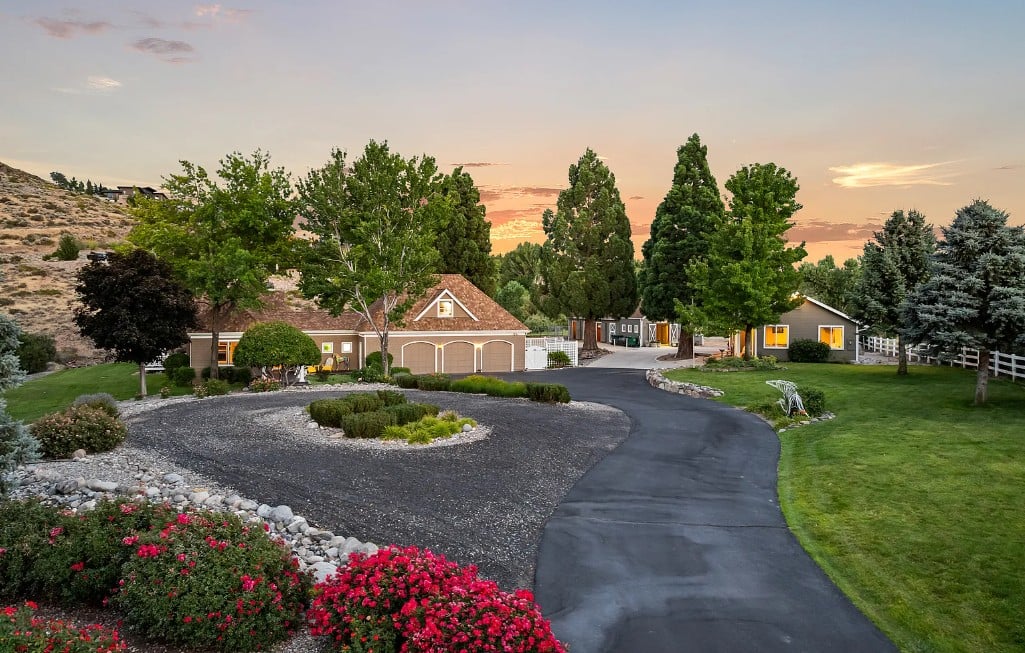
Is Reno a Good Place to Buy a Home in 2026?
Yes. But the honest version of that answer has more in it than the headline suggests, and buyers who arrive in Reno expecting it to behave like the market they left often find themselves surprised in both directions.
I have been selling real estate in Reno since 2012. I have watched buyers move here from the Bay Area, from Sacramento, from Los Angeles, from Seattle, from Phoenix, from Denver. I have watched most of them plant roots and stay. I have watched a smaller number arrive with expectations the market could not meet and leave disappointed. The difference between those two groups is almost never the market itself. It is the accuracy of what they expected before they arrived.
So here is the accurate version.
What Makes Reno a Genuinely Good Place to Buy in 2026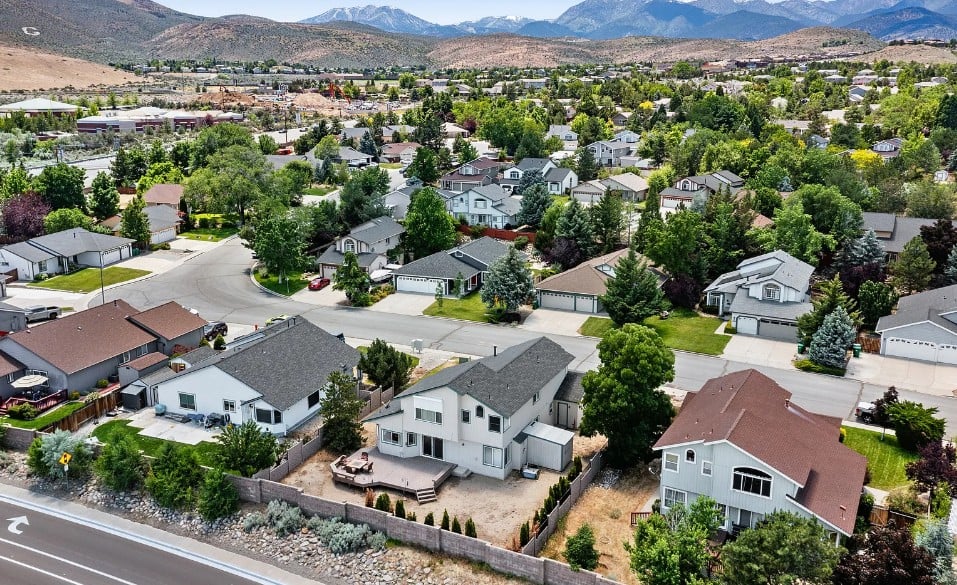
Nevada's zero state income tax is real and it compounds.
This is the financial driver that most California buyers cite first and it holds up after they arrive. A household earning $250,000 filing jointly in California pays roughly $14,000 to $19,000 in state income tax annually, depending on deductions and specific circumstances. In Nevada, that number is zero. Over a decade of ownership, that difference funds a meaningful portion of the home itself.
The benefit is not theoretical. It shows up in take-home pay from the first paycheck after the move. Buyers who have done the math and included this figure in their decision are not disappointed when they arrive, they are confirmed.
The housing value relative to California is not subtle.
Two million dollars in South Reno's 89511 zip code gets you into Arrowcreek, a guard-gated golf community with 36 holes, a full club, valley views, and a lifestyle that costs three to four million dollars to access in Marin or on the Peninsula. A $700,000 home in Damonte Ranch in 89521 is a well-built, well-located family home in an established community with parks, trails, good school access, and a commute that takes fifteen minutes. These comparisons are not close, and they do not disappear over time. Reno has grown and appreciated significantly since 2012 and the value gap with coastal California has never closed.
The outdoor access is immediate, not aspirational.
Buyers who planned to hike more "someday" in California find that someday arrives in the second week after they move to South Reno. Mount Rose wilderness trails are accessible from several Galena Forest streets in under fifteen minutes. Lake Tahoe is forty-five minutes to an hour from most South Reno addresses via Mount Rose Highway. World-class skiing at Mt. Rose, Heavenly, Northstar, and Kirkwood is a reasonable drive. Buyers who value outdoor access and kept deferring it in California discover they have been living twenty minutes from it the entire time they were thinking about moving.
The job market has matured.
Reno's economy in 2026 is not the casino economy that defined the city's identity a generation ago. The regional job base now includes significant logistics and distribution infrastructure anchored by Amazon, Tesla's Gigafactory, and other large employers in the Tahoe-Reno Industrial Center, a growing tech presence, University of Nevada, a healthcare sector that has expanded alongside population growth, and a construction industry that has been continuously active for a decade. Remote work has also made Reno viable for California-based professionals who maintained their income levels while relocating. The employment picture is meaningfully more diverse than it was when I started in this market in 2012.
What Buyers Get Wrong About Reno
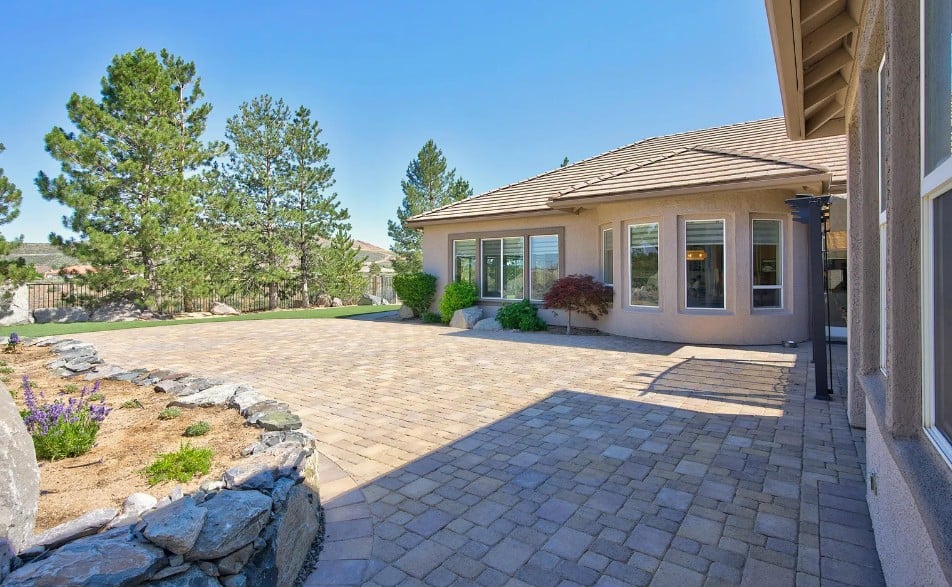
Reno is not California with lower taxes.
This is the most common misalignment I see, and it produces the most disappointment. Buyers who expect the depth of restaurant options available in San Francisco, the walkability of a dense urban neighborhood, or the cultural density of Los Angeles find that Reno requires adjustment. The restaurant scene is genuine and growing, there are good options across a range of cuisines and price points. But it is not the depth and diversity of a major coastal metro, and it is not going to be in the next five years.
Downtown Reno has a real arts district, a university campus that generates energy and activity, the Aces baseball team, and a Nevada Museum of Art that punches above its weight. It is a real city. It is not San Francisco. Buyers who know the difference and are making a deliberate trade arrive satisfied. Buyers who assumed equivalence arrive disappointed.
Wildfire smoke is a real seasonal variable.
The proximity to the Sierra Nevada that makes the outdoor lifestyle possible also means that significant wildfire events in California, Oregon, and Nevada push smoke into the Truckee Meadows in late summer. Most years involve at least several days, sometimes a week or two, where outdoor activity is not advisable and air quality is a genuine concern. The frequency and intensity of these events has increased over the past decade and it is part of an honest picture of living here.
This is not a dealbreaker for most buyers who have been told about it in advance. It is a source of frustration for buyers who arrived not knowing it was part of the package.
The growth is real and it changes neighborhoods.
South Reno in 2026 is not finished. New subdivisions, expanding commercial corridors, and infrastructure projects are ongoing realities in 89521 specifically. Buyers who want the feeling of a complete, settled community should focus on established neighborhoods in 89511, Caughlin Ranch, Galena Forest, Arrowcreek, where the development is largely done and the character is set. Buyers who are comfortable with a city still building itself are in the right place and positioned to benefit from continued appreciation.
The altitude is real.
Reno sits at just over 4,400 feet. Buyers coming from sea-level California sometimes feel it the first few weeks, mild shortness of breath, lower energy, adjustment in athletic performance. This normalizes for most people within a month. It is worth knowing in advance rather than experiencing as a surprise.
What the Market Looks Like for Buyers in 2026 Specifically
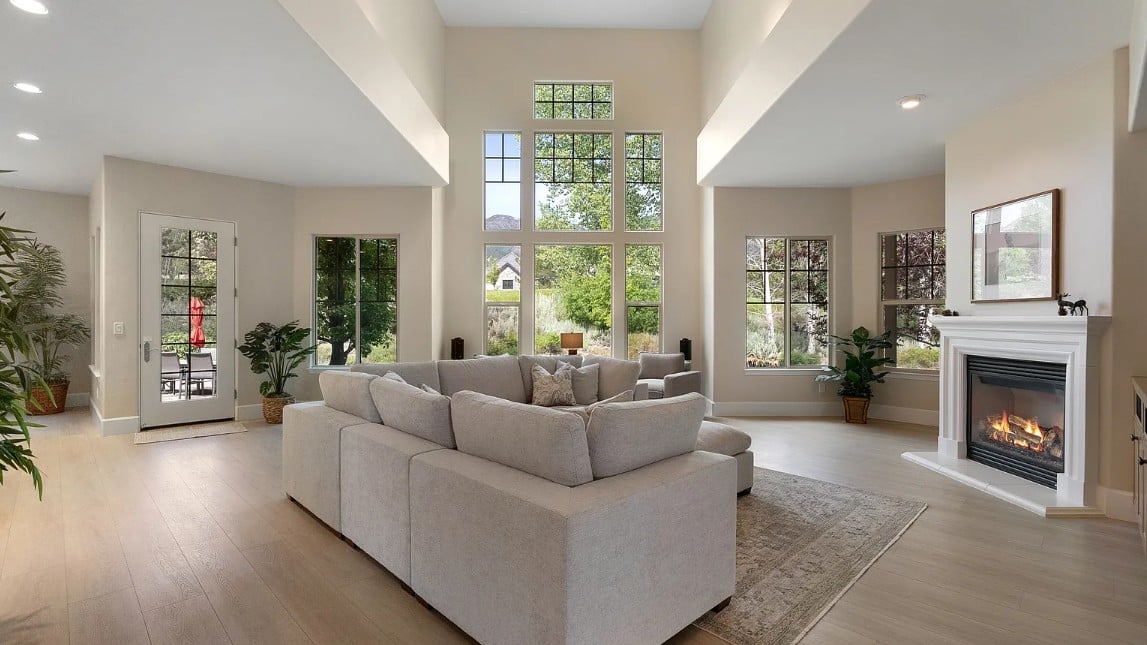
The 2026 Reno real estate market is a more measured version of what this market looked like at its 2021 peak. Buyers have more options than they did when everything moved in a weekend. They have more negotiating room in some segments. They are not automatically waiving inspection rights to compete.
What has not changed: the best properties in the best neighborhoods still move fast. I recently closed a listing at 505 Rhodes Rd in Pleasant Valley that generated 150 showings and 14 offers. Three miles away, an overpriced home sat for sixty days before taking a price reduction. The market rewards correct pricing and genuine preparation. It does not reward assumptions.
Buyers who arrive in 2026 with a current pre-approval, clear criteria, and a working relationship with a local agent are in a good position. The inventory is there. The competition is real but not the same fever pitch as 2021. The buyer who is prepared can take their time on the right home rather than writing offers in panic.
Interest rates in 2026 are not where buyers who locked in during 2020 or 2021 were. They are where buyers need to evaluate the monthly payment at the current rate and decide whether the purchase makes sense at that payment, rather than waiting for a rate environment that may or may not arrive. The buyers I have watched make the most confident purchases are the ones who bought when they were financially ready and found the right home at the right price, not the ones who timed the rate environment successfully.
Which Buyers Reno Is Best For in 2026
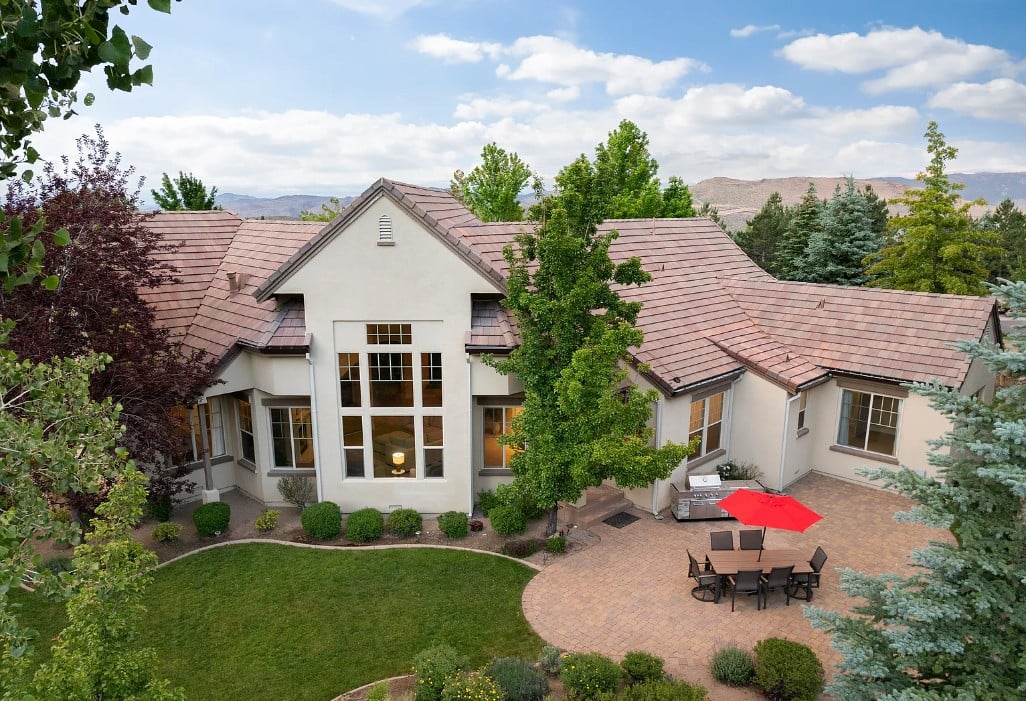
Reno in 2026 is an excellent answer for buyers who fit a specific profile. Not every buyer. The right buyer.
California households relocating for the tax benefit and housing value. The financial case has not weakened. The comparison to coastal California on both income tax and housing cost remains compelling and compounding.
Remote workers who maintained California income levels. Buyers who have negotiated permanent remote arrangements and can bring California or other high-cost market income to a Nevada cost structure are in a particularly strong position. The Nevada tax savings are real on California income regardless of where the employer is headquartered.
Buyers who prioritize outdoor access and are willing to trade urban density for it. Reno gives buyers who value hiking, skiing, boating, cycling, and mountain access a daily reality rather than an occasional weekend trip. That trade is worth it for buyers who know it is the trade they are making.
Buyers seeking strong long-term real estate value in a growth market. Reno's population has grown steadily. The commercial and industrial base has diversified. The infrastructure investment has been real. The buyers who purchased in South Reno in 2015 or 2018 and are still here have seen significant appreciation. The fundamentals that drove that appreciation have not reversed.
Buyers who can accept a city that is still becoming what it will be. Reno is not finished. The buyers who do best here are the ones who see that as an opportunity rather than a drawback.
Frequently Asked Questions From Buyers Considering Reno in 2026
Is the Reno housing market going to crash in 2026?
Nobody can predict a market crash with accuracy, and any content that claims to is worth reading skeptically. What I can tell you from fourteen years in this market is that Reno's fundamentals in 2026, population growth, employment diversification, continued California outmigration, constrained supply in desirable South Reno neighborhoods, are not the conditions that historically precede sharp corrections. The market has moderated from its 2021 peak. Moderation is not a crash.
Are home prices going up or down in Reno in 2026?
The short answer is that prices in well-located South Reno neighborhoods are holding or appreciating modestly. The homes losing value are the ones that were overpriced to begin with and are correcting to where they should have been listed. This distinction matters for buyers who are evaluating whether to act now or wait. The correctly priced home in a desirable neighborhood is not discounting. The overpriced listing that has been sitting for sixty days is a different conversation.
Is Reno better than Las Vegas for buying a home?
Different markets serving different buyers. Reno's value proposition is tied to outdoor access, proximity to Lake Tahoe, a smaller city feel, and the Northern Nevada lifestyle. Las Vegas is a larger city with a different employment base, a different lifestyle, and different neighborhood dynamics. For buyers who want what Reno specifically delivers, the Sierra Nevada, the outdoor recreation, the community scale, Las Vegas is not a substitute.
What is the best neighborhood in South Reno to buy in 2026?
It depends entirely on what the buyer prioritizes. For families who want newer construction, community infrastructure, and school access, Damonte Ranch and Curti Ranch in 89521. For buyers who want a guarded lifestyle with golf and views, Arrowcreek, at the current $2 million market level. For buyers who want privacy and natural setting, Galena Forest. For buyers who want established neighborhood character and views at a price below the luxury tier, Caughlin Ranch. There is no single best neighborhood. There is the right neighborhood for your specific priorities.
How long does it take to feel at home in Reno after relocating from California?
Most buyers who have been here for a year tell me they would not go back. The first few months involve adjustment, the climate, the altitude, the pace, the difference in urban density. By the end of the first year, most are settled, most have found their community, and most are genuinely happy with the decision. The buyers who struggle longest are the ones who arrived expecting California with lower taxes rather than a different place with different strengths. Knowing the difference before you move is worth the honest conversation.
If you are trying to decide whether Reno makes sense for your specific situation in 2026, reach out. I have been doing this here since 2012 and I would rather tell you the honest answer than the comfortable one. Search current South Reno listings at renosrealtygroup.com/home-search/listings or call me directly at 775.233.1190.
About Jodi Kruse
Jodi Kruse is a Reno, Nevada real estate agent with Sierra Sotheby's International Realty. Licensed since 2012, she specializes in home sales, luxury properties, relocations, and buyer/seller representation across Northern Nevada and the Nevada side of Lake Tahoe, including Incline Village and Crystal Bay. She holds RENE, SRS, and ABR designations and has closed over $100M in transactions. Contact: 775.233.1190 | https://renosrealtygroup.com/