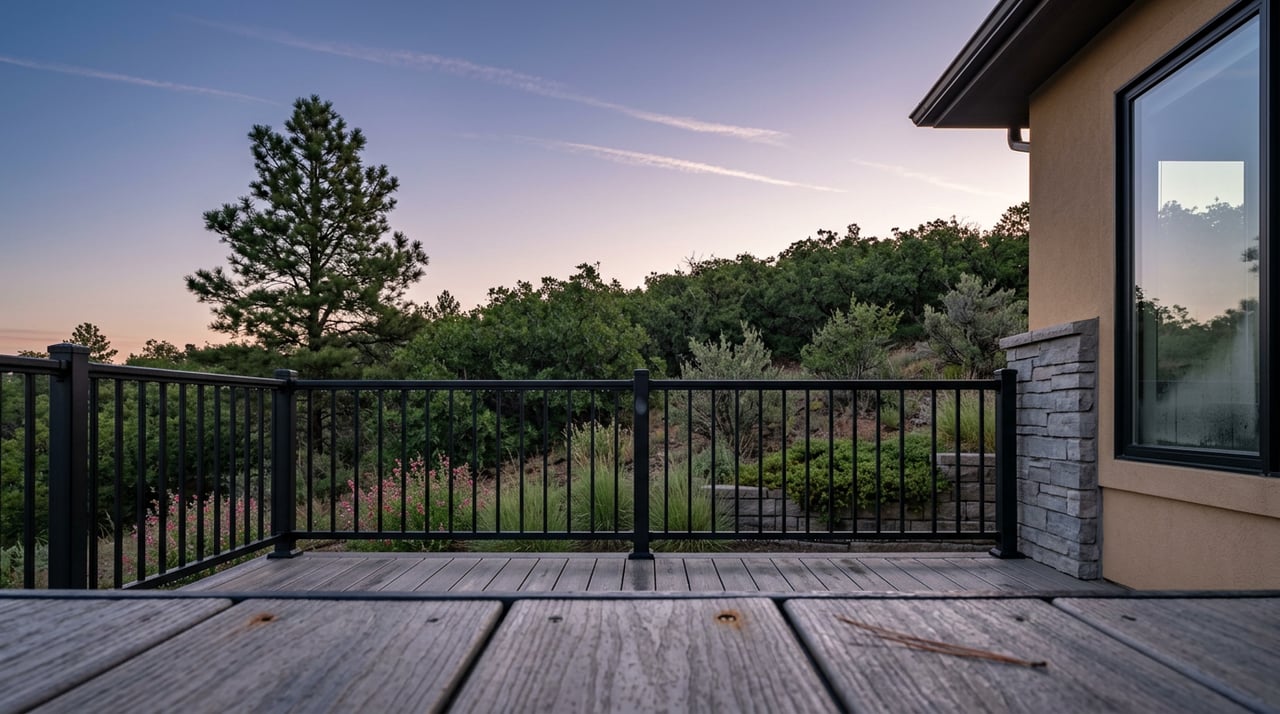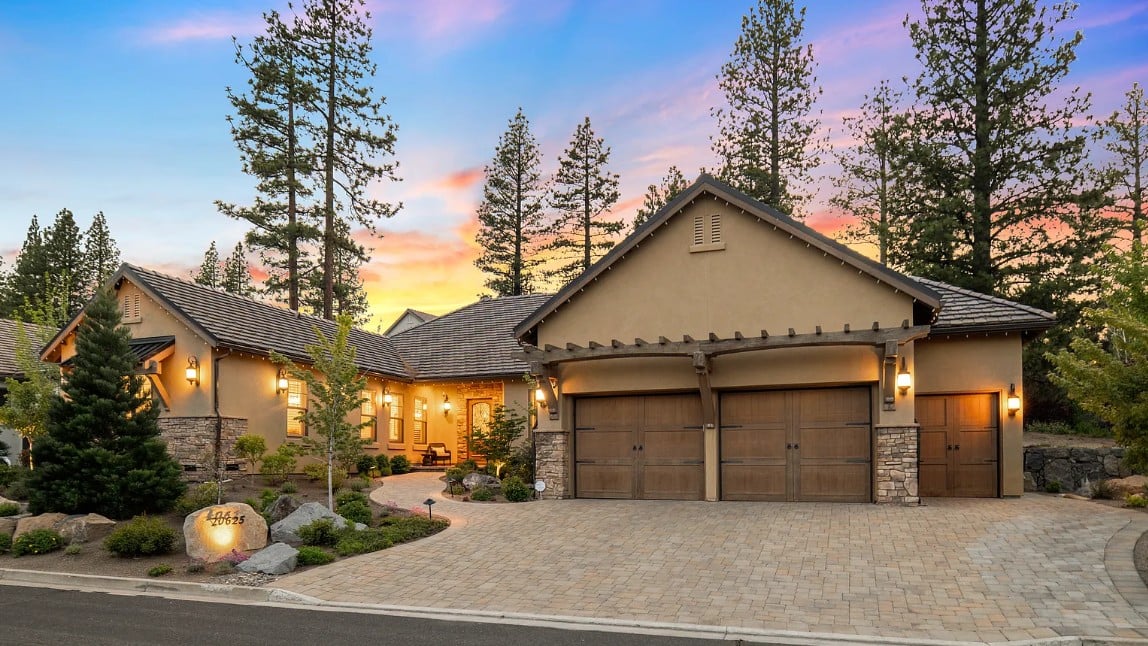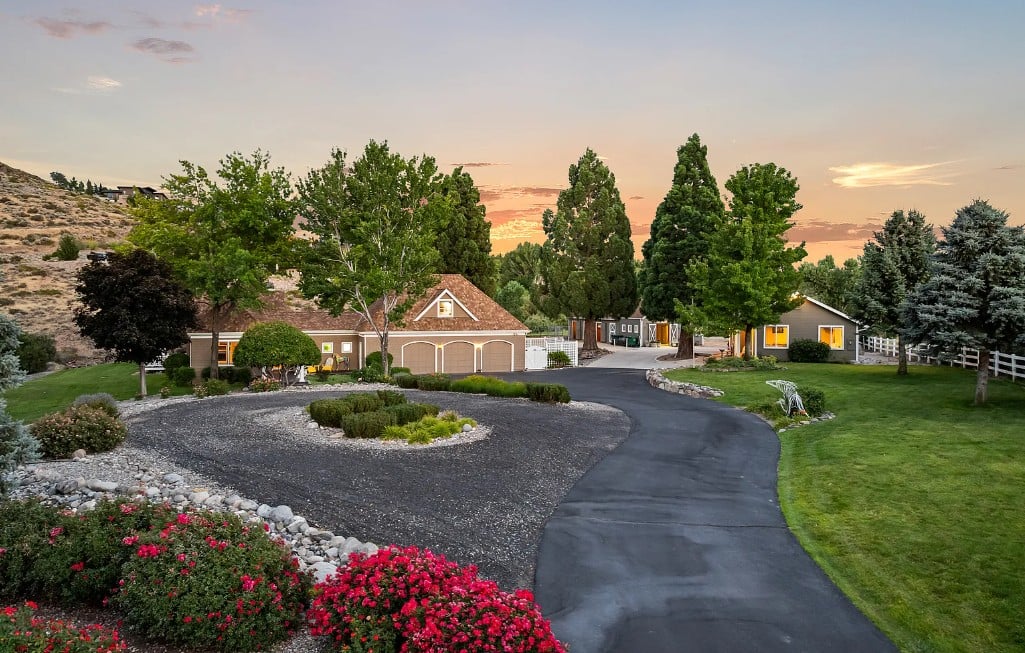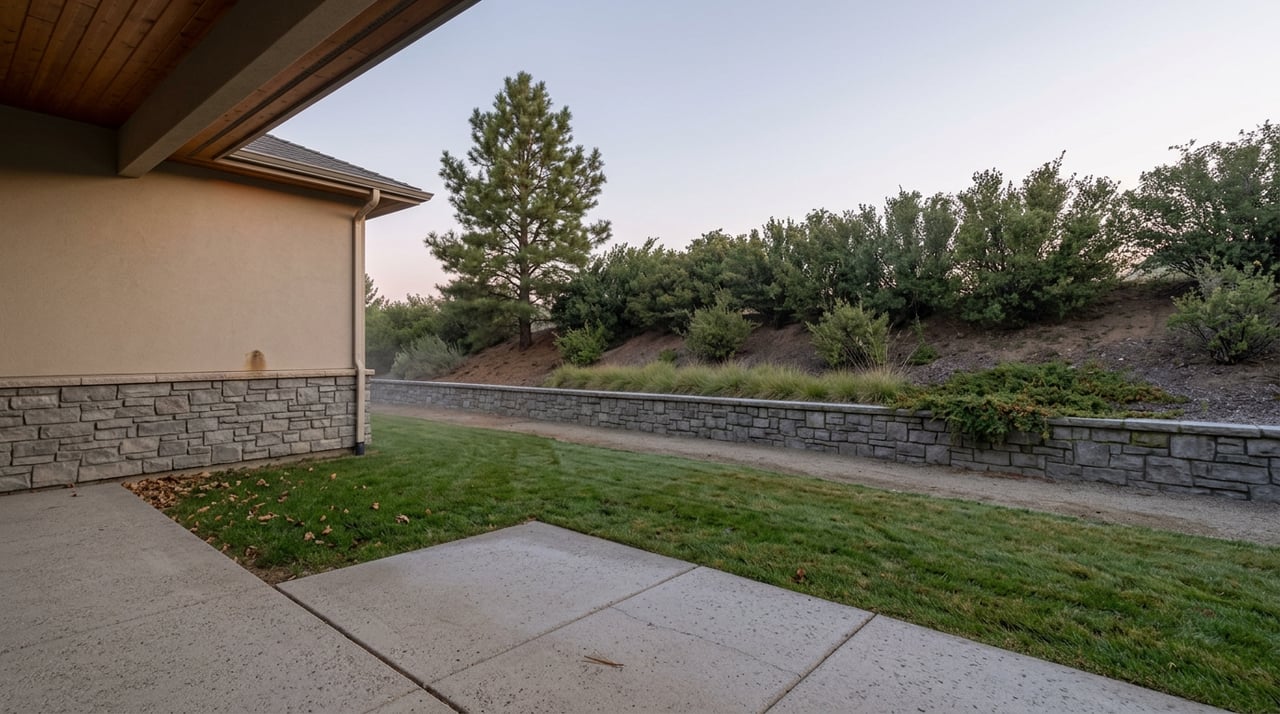
You know the stretch. The dirt path that runs behind the houses off Woodchuck Circle, wide enough for two people and a dog to pass a jogger coming the other way, flat enough that nobody complains about the grade. Most mornings it's full of the same faces: the retired guy with the border collie, the two women who walk fast and talk faster, somebody's teenager running before the heat sets in. Then one week there's a gate where there wasn't one before, or a stretch of fence with a gap cut into it that everybody uses anyway, and nobody can quite tell you who put it there or why it's allowed to stay.
That inconsistency isn't a maintenance oversight. It's the residue of a fight that Reno never finished having.
It's a Canal Company's Maintenance Road, Not a City Trail
The path people call the Steamboat Ditch Trail follows an actual ditch, built by the Steamboat Canal and Irrigation Company in the 1870s to move water from the Truckee River out to the farms and ranches that used to cover this part of the valley. The company still holds the water rights and still uses the dirt corridor alongside the ditch to send maintenance crews out to keep the water flowing. What the company holds is a water transport easement. Nothing more. There was never a grant of public access baked into the deed, which means every person walking a dog on that path is there on sufferance, not by right.
For decades that distinction didn't matter much, because nobody enforced it. The trail was there, it was flat, and it connected neighborhoods to open space in a way nothing else in western Reno did.
The Standoff That Left the Access Question Unresolved
In the 1990s, the informal arrangement almost got formalized, and then it blew up. According to a detailed account on the trail-mapping site MTBProject, then-Mayor Pete Sferrazza publicly suggested that landowners along the ditch should simply donate their portions to the City of Reno, and floated the idea that the city would pursue eminent domain against anyone who refused. A Property Owners' Rights Association formed almost overnight in response, lawyers lined up on both sides, and the whole effort stalled out. A demonstration trail was built at Horsemans Park and a handful of parcels were donated, but momentum faded before the bigger question ever got settled.
The irrigation company, meanwhile, was left holding a strange kind of exposure. Its insurance carrier reportedly threatened to cancel coverage unless the company could keep the public off the ditch entirely, an instruction that was functionally impossible to carry out on a path that had already become a de facto neighborhood trail. So nobody enforced it, nobody formalized it, and the corridor has run on inertia ever since.
That history is why the trail behaves differently depending on where your feet happen to be. Trail-mapping data compiled by MTBProject breaks the corridor down segment by segment, and the differences are real:
- Verdi to Hole-in-the-Wall: roughly eight gates along this stretch, most of them usually left open, and property records suggest this section runs almost entirely across public land.
- Woodchuck Circle to Keshmiri Place: gated, technically, but the gates are unlocked and the fences have gaps that get used constantly. This is the segment locals treat as fully open.
- Keshmiri Place through Meridian Lane and Susileen Drive to Manzanita Lane: the most commonly ridden and mapped section of the entire corridor.
- Everything beyond that: discontinuous, with landowners who have never agreed to let the public cross their land at all.
If you've ever wondered why the same trail feels welcoming for a mile and then suddenly closed off, that's your answer. You're not walking one trail. You're walking through several different legal arrangements stitched together by forty years of nobody wanting to have the fight again.
Two Trail Systems, One Neighborhood
The confusion clears up fast once you separate the ditch corridor from Caughlin Ranch's actual trail network, which is a different animal entirely.
Caughlin Ranch Trails (Alum Creek) | Steamboat Ditch Trail | |
|---|---|---|
Who owns it | Caughlin Ranch HOA | Steamboat Canal & Irrigation Company |
Legal basis for public use | Deeded common area, part of the master plan | Water transport easement only, no public access grant |
Surface | Paved, formally maintained | Dirt maintenance road, condition varies by segment |
Access consistency | Same rules everywhere, year-round | Patchwork, gate status differs block to block |
What you'll pass | Donnelly Park, ponds, bridges over Alum Creek | Open hillside, tunnel diversion at Hole-in-the-Wall, occasional fence lines |
The Caughlin Ranch Trails follow Alum Creek through Donnelly Park on a fully paved, HOA-maintained path, one of roughly 20 to 24 miles of walking and biking trails the association funds and grades as part of the master plan's common area system. This is the trail with the ponds, the bridges, and the geese that startle first-time visitors and bore everyone who's lived here more than a season. It's yours in the way a deeded easement makes something yours. Nobody is going to fence off a section next spring.
The ditch trail behind it is the opposite kind of asset: genuinely useful, genuinely part of daily life here, and legally uncommitted to staying that way. Worth walking. Worth knowing which segment you're on.
Where the Rest of the Day Happens
Trails are one piece of how this neighborhood actually runs. The other piece is a short list of places most residents rotate through without thinking twice.
The Caughlin Ranch Shopping Center off Caughlin Parkway anchors most of it. Raley's handles the weekly grocery run. Casa Grande Mexican Restaurant and Cantina and Siam Thai Cuisine cover the two most reliable dinner options within walking distance of home, and Lanna Thai Cafe gives you a second Thai option if the first one has a wait. There's a Starbucks for the morning routine and Moxie's for something closer to a night out with dining, gaming, and drinks in one stop.
For a food scene with a little more personality, Madein Food and Drink Collective, run locally by Amy Gerbus and her team, has built a reputation in the neighborhood for fresh, community-minded flavors that feel distinct from the shopping center standards.
The Caughlin Club rounds things out for anyone who wants recreation without leaving the neighborhood: pools, tennis and pickleball courts, a fitness center with classes, and a bistro and beach bar for members who'd rather not cook. Village Green Park hosts seasonal concerts through the summer months, and the community still runs its old-fashioned rhythms too. Early June brought this year's neighborhood-wide garage sale, a three-day run across individual driveways and yards that turned Caughlin Ranch into a weekend-long treasure hunt for anyone willing to get up early.
The Trail You Walk Is Also a Neighborhood You Understand
None of this changes what the ditch trail is good for. It's still the flattest, most convenient stretch of dirt in western Reno, and it's still going to be part of most people's daily routine here for years to come. But knowing that the corridor rests on an easement rather than a right changes how you read a locked gate. It's not a bureaucratic error. It's the same unresolved question the neighborhood has been living with since the Sferrazza era, showing up again in a different spot.
That's the kind of detail that only comes from paying attention to a place over time, not from a single visit or a listing sheet. If you're the type of neighbor who already knows which segment of the ditch trail is reliably open and which one you avoid after a storm, you already understand Caughlin Ranch better than most market reports ever will.
If a friend, family member, or coworker ever asks you what it's actually like to live here, or if you're weighing a move within the neighborhood and want someone who knows which streets sit closest to Donnelly Park versus which back up to the ditch corridor, Jodi Kruse has spent her career working this side of Reno and is always glad to talk through the details that don't show up in a listing description. Schedule a free concierge consultation whenever you're ready to talk specifics.
About Jodi Kruse
Jodi Kruse is a Reno, Nevada real estate agent with Sierra Sotheby's International Realty. Licensed since 2012, she specializes in home sales, luxury properties, relocations, and buyer/seller representation across Northern Nevada and the Nevada side of Lake Tahoe, including Incline Village and Crystal Bay. She holds RENE, SRS, and ABR designations and has closed over $100M in transactions. Contact: 775.233.1190 | https://renosrealtygroup.com/